
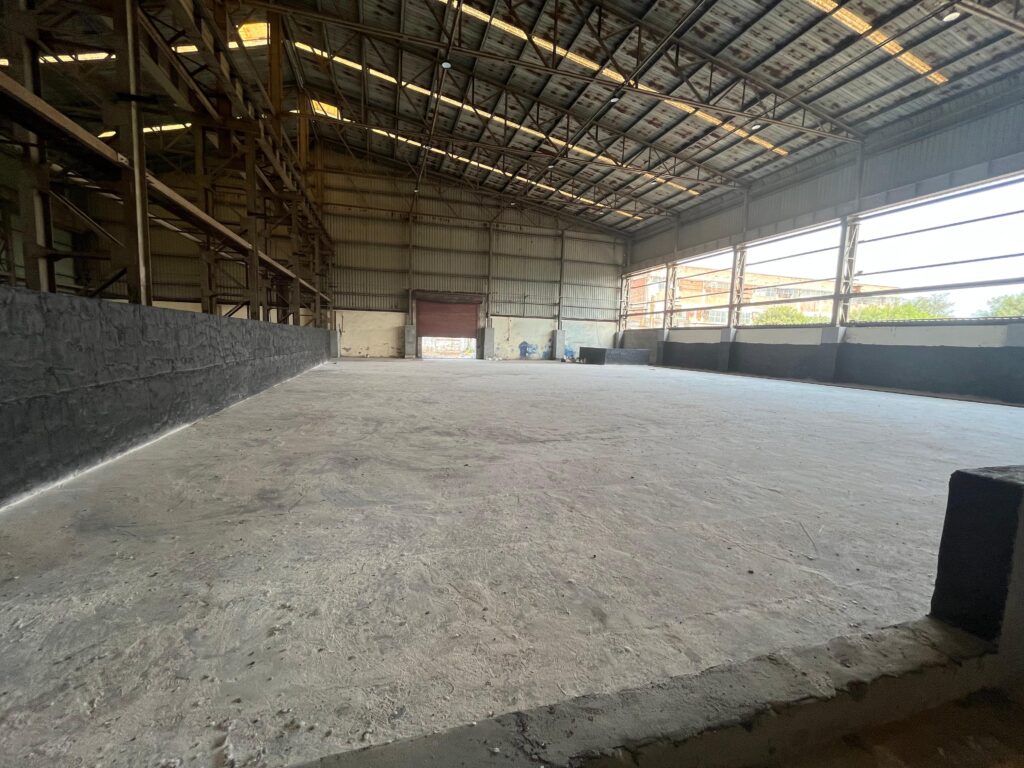
Bitumen Mastic Lining Work
1. What is Bitumen Mastic Lining?
Bitumen Mastic Lining is a purpose-engineered protective coating system composed of bitumen (asphalt), mineral aggregates, and specially selected fillers. When applied in a hot or cold state, it forms a dense, impermeable, and highly durable layer capable of protecting concrete and steel substrates from corrosion, chemicals, moisture ingress, and heavy mechanical loads.
2. How Chemicraft can Help you with Bitumen Mastic Lining.
Chemicraft is a leading industrial lining service provider. Chemicarft assure you quality and reliable Bitumen mastic Lining service with decade of experience, skill work force and quality materials.
Contact Us :
- Phone No.: +91 8511756947
- Phone No.: +91 9724765574
- Email: chemicraft963@gmail.com
Chemicraft Bitumen Mastic Lining Work Gallery


3. Key Properties & Performance Data
What makes Bitumen Mastic stand out technically is its unique combination of properties that most single-component coatings cannot offer simultaneously.
| Property | Performance Value |
|---|---|
| Compressive Strength | 2–6 N/mm² (depending on grade) |
| Water Permeability | Near Zero (impermeable) |
| Operating Temperature Range | -10°C to +80°C |
| Chemical Resistance | Acids, alkalis, salts, sewage .(Selected) |
| Adhesion to Concrete | Excellent (primer-assisted) |
| Applied Thickness | 10mm – 50mm (typically 25mm) |
| Typical Service Life | 10–15 years |
4. Industrial Applications in India
India’s industrial sector — one of the fastest-growing in the world — presents unique and demanding requirements for protective lining systems. Here’s where Bitumen Mastic is most commonly and effectively deployed:
🏭 Industrial Flooring
Factory floors in chemical plants, textile mills, steel processing units, and food processing facilities undergo constant assault from chemical spills, heavy machinery, and foot/forklift traffic. Bitumen Mastic provides a seamless, jointless surface that eliminates the weak points where conventional tiles or screeds fail first.
🛢️ Storage Tank Lining & Protection
Above-ground and underground steel/concrete tanks storing petroleum products, acids, alkalis, or effluent are prime candidates for Bitumen Mastic lining. The interior lining prevents internal corrosion, while external application on buried tanks provides cathodic disbondment resistance.
🌊 Effluent Treatment Plants (ETP) & Sewage Treatment Plants (STP)
ETPs and STPs present one of the harshest chemical environments imaginable — a combination of acids, alkaline cleaners, biological waste, and aggressive gases like H₂S. Bitumen Mastic’s broad chemical resistance makes it one of the few cost-effective solutions that can handle this environment reliably.
🏗️ Infrastructure: Bridges, Canals & Reservoirs
Bridge decks use Bitumen Mastic as a waterproofing and wearing course beneath the final surface. Water-retaining structures like canals and reservoirs use it to prevent seepage and structural corrosion over decades.
5. Industries That Use Bitumen Mastic in India
Bitumen Mastic is a cross-industry solution. The following sectors rely on it heavily across India:
- 🏭 Petrochemical & Refineries
- ⚗️Chemical Manufacturing
- 🌊Water & Wastewater
- ⚙️Steel & Metal Processing
- 🥛Food & Beverage
- 🏗️Construction & Infrastructure
6. Frequently Asked Questions (FAQs)
Q1. What is the difference between Bitumen Mastic and regular bitumen paint?
Bitumen paint is a thin coating (0.1–0.3mm) providing basic moisture protection. Bitumen Mastic is a thick, aggregate-filled layer (10–50mm) providing structural protection, chemical resistance, and mechanical durability. They are not interchangeable for heavy-duty industrial use.
Q2. Can Bitumen Mastic be applied on steel surfaces?
Yes. With proper surface preparation and appropriate primer application, Bitumen Mastic adheres excellently to steel substrates. It is widely used as an internal lining for steel storage tanks across Indian industries.
Q3. How does Bitumen Mastic perform in high-temperature environments?
Standard grades are suitable up to approximately 60–70°C.
Q4. How soon can the area be put back into service after Bitumen Mastic application?
Light foot traffic is typically possible within 24 hours after hot-applied mastic has cooled. Heavy machinery or chemical exposure should be avoided for a minimum of 48–72 hours. Cold-applied variants may have longer cure periods depending on ambient temperature and humidity.
Q5. Does Bitumen Mastic require any special equipment for application?
Hot-applied Bitumen Mastic requires a mastic cooker/heater, temperature-controlled mixing equipment, and skilled applicators familiar with hot bituminous materials. Cold-applied variants can be installed with standard trowels and squeegees. Professional contractors like Chemicraft have all necessary equipment and trained teams.